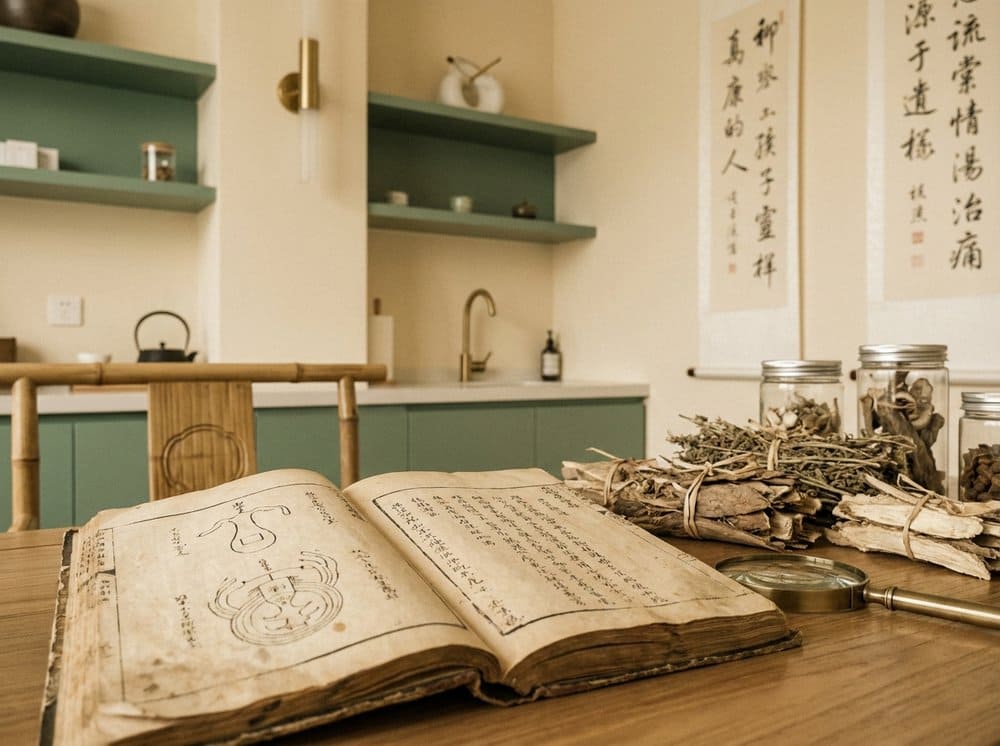
A Short History of Acupuncture in the Philippines
From Binondo apothecaries to PITAHC accreditation — how zhen jiu arrived on the galleons, quietly endured through Spanish colonial medicine, and is now a regulated practice under the Department of Health.
Read the essay →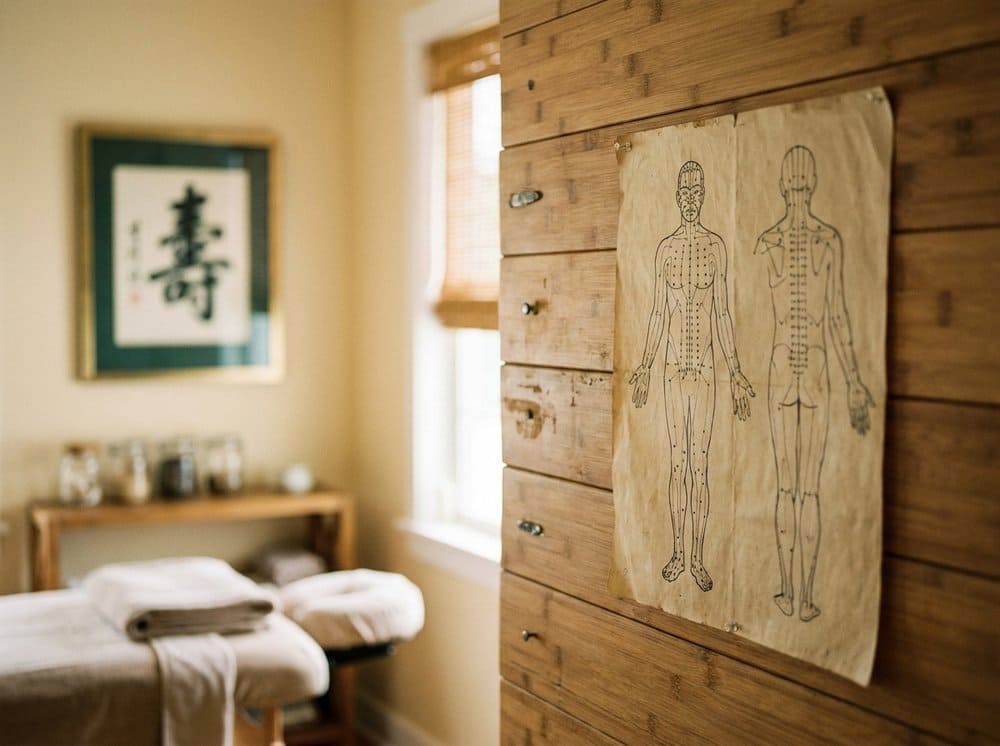
Understanding Meridians: The Map Under the Skin
What the twelve main channels mean and why they matter — the circulation of qi through Lung, Large Intestine, Stomach, Spleen, Heart, and the rest of the paired rivers inside us.
Read the essay →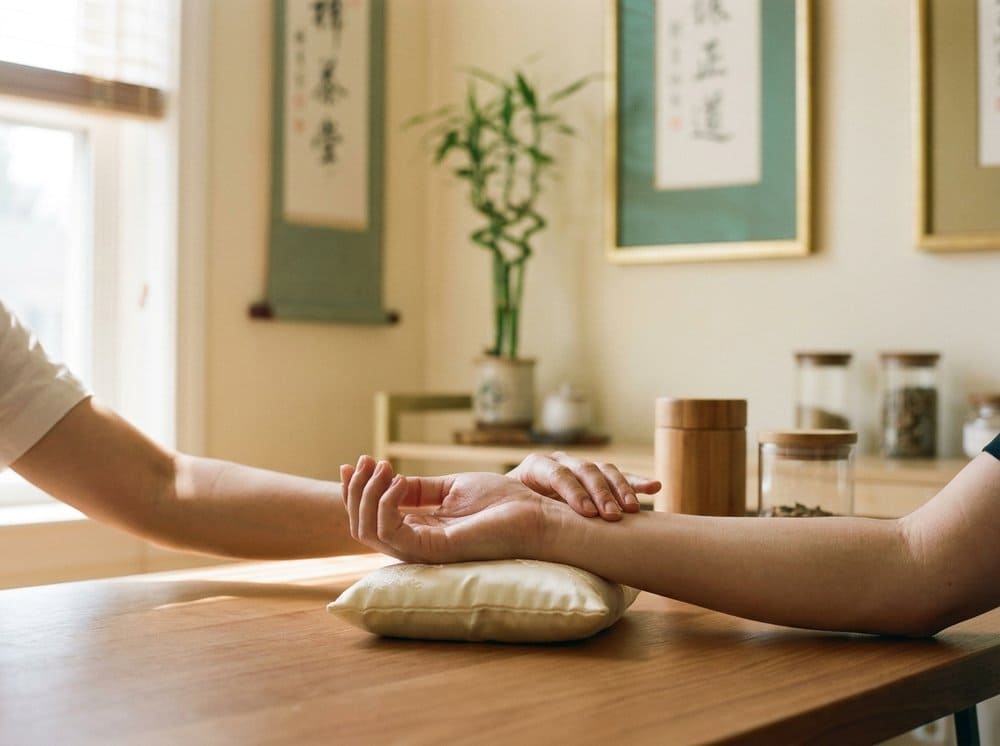
Pulse and Tongue Diagnosis — A Patient's Guide
What the physician is reading in that silent minute — twenty-eight pulse qualities, tongue body and coating, and what a Makati consulting room hears before it speaks.
Read the essay →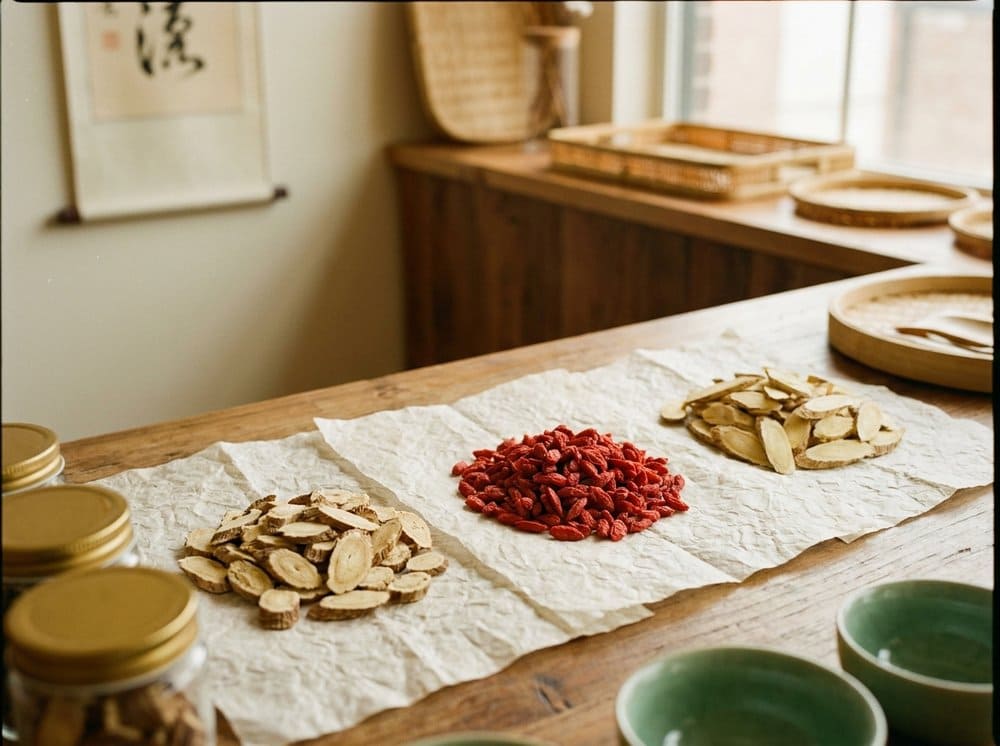
Goji, Astragalus, Ginger: The Kitchen Apothecary
Three herbs a Chinese-Filipino lola always had on hand — gou qi zi, huang qi, sheng jiang — and how they move quietly between soup pot and pharmacy shelf.
Read the essay →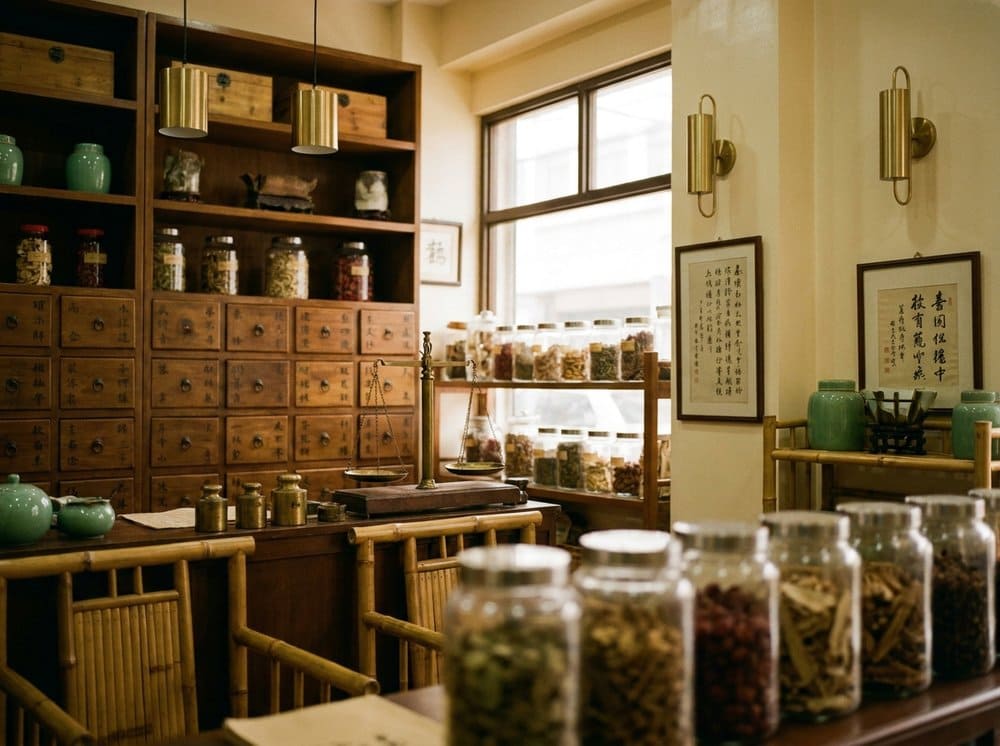
Binondo to Makati: Four Generations of a TCM Family
Dr. Chua's clinic lineage from 1940s Chinatown to today — a great-grandfather's Ongpin Street apothecary, a grandfather's post-war practice, and a family that kept the needles sharp.
Read the essay →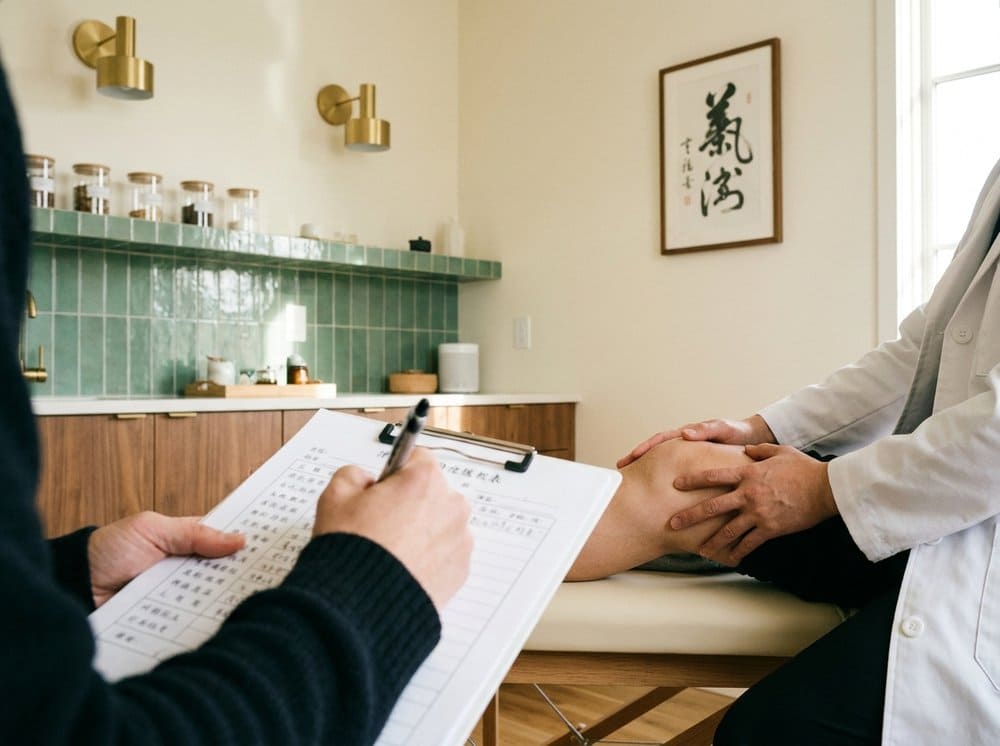
Why We Practise Alongside Western Physicians
The integrative model that serves the patient first — how Dr. Yabut's MD training sits beside Dr. Chua's pulse reading, and why no honest clinic pretends one tradition is enough.
Read the essay →