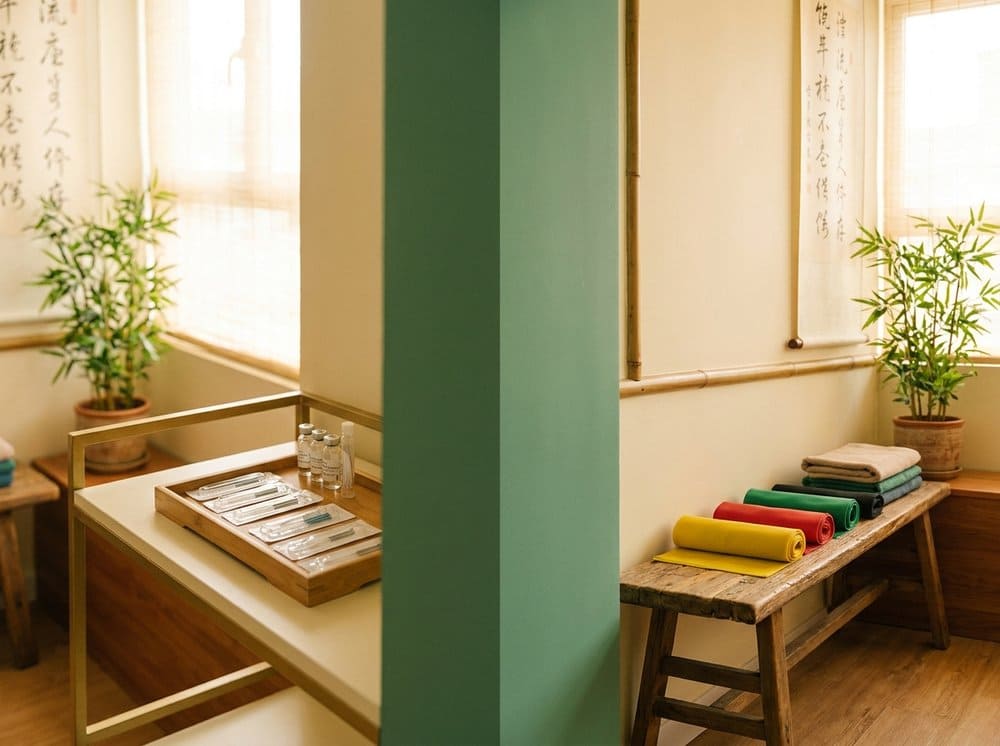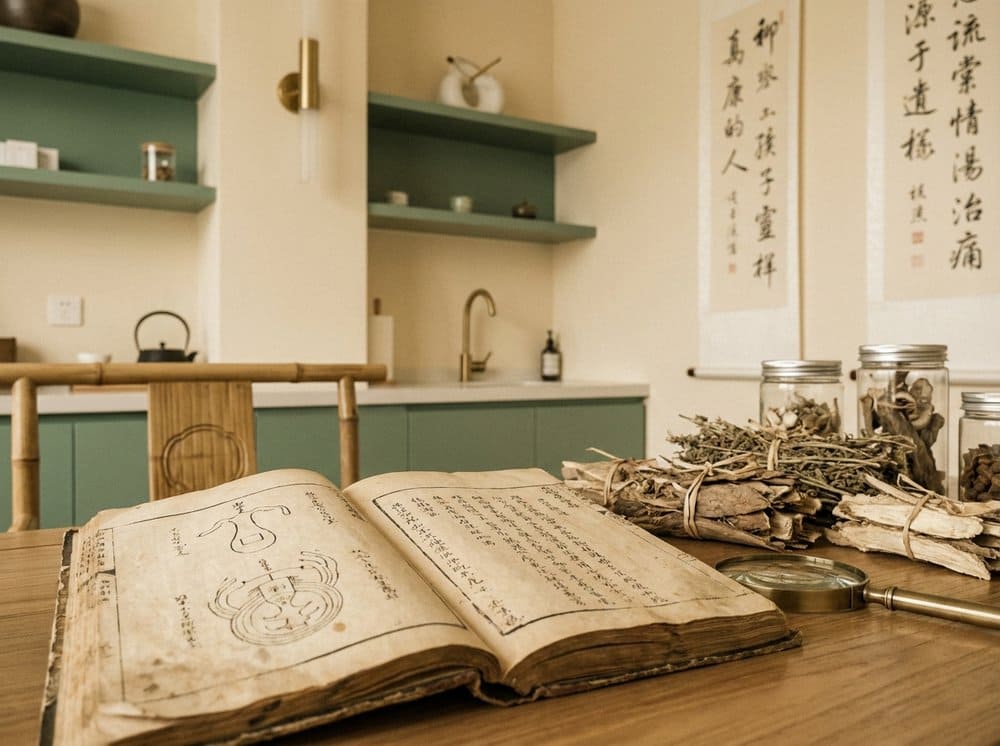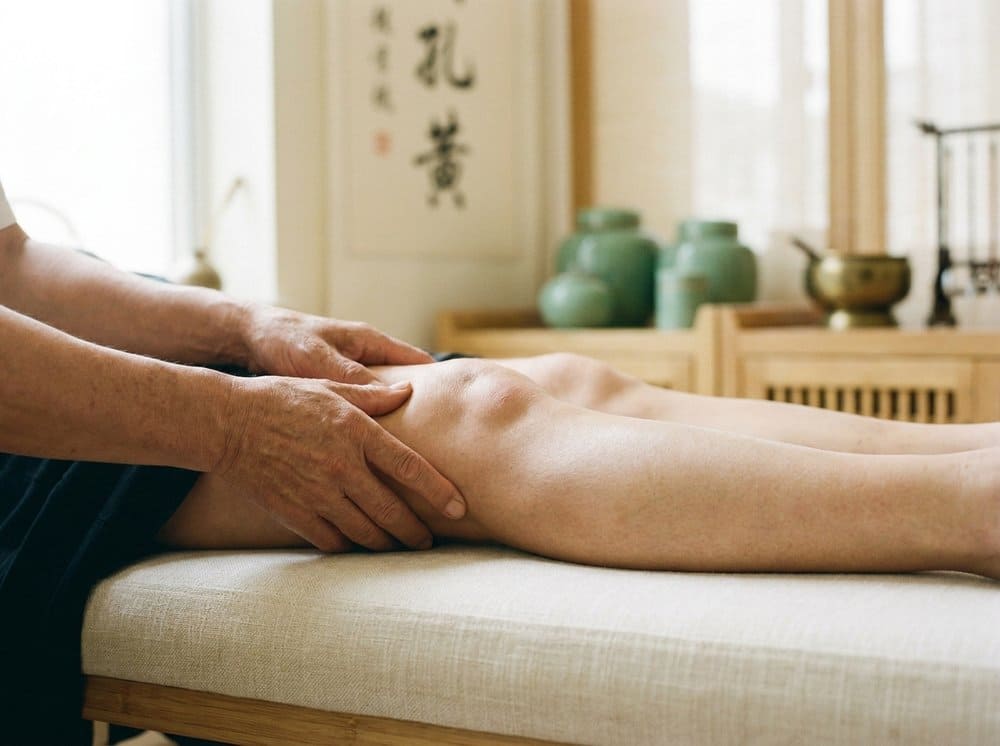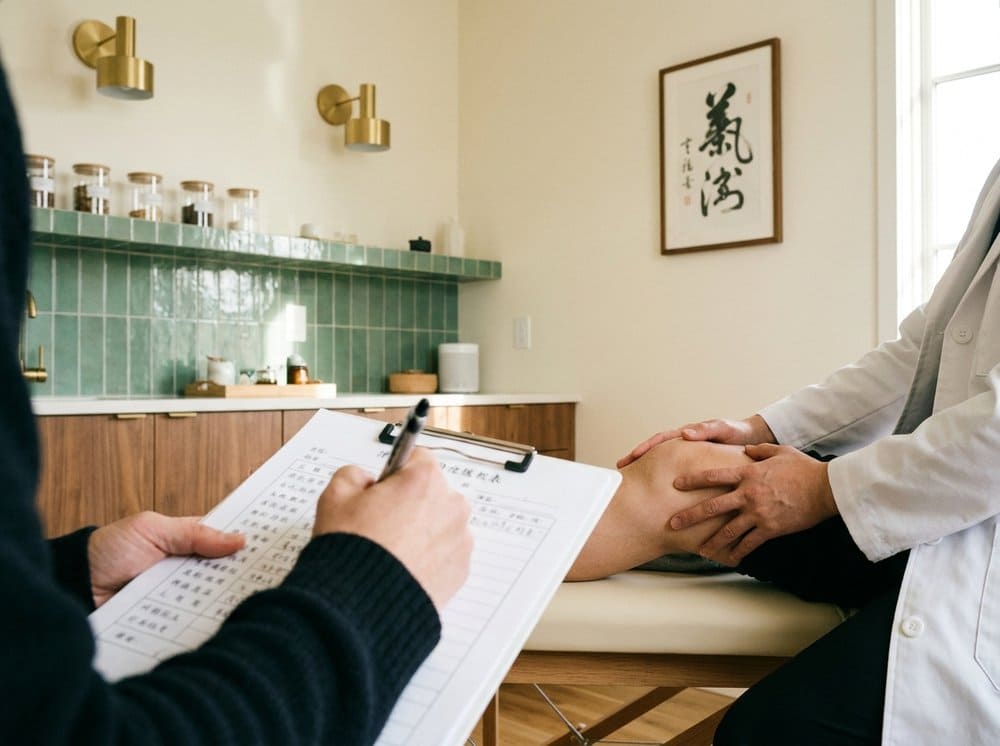
I am a Western-trained physician. I did my MD at UP Manila, my residency in internal medicine at The Medical City, and I spent six years in private practice before I joined Synergy Meridian as the integrative MD on staff. I am not a convert to Chinese medicine. I am, more modestly, a clinician who has learned in the last four years that the chronic musculoskeletal patient is often badly served by either tradition in isolation and unusually well served when the two work together. This article is about what that looks like in practice.
The problem with single-tradition care
A 58-year-old patient walks into a Western rheumatology clinic with bilateral knee pain that has worsened over three years. She is diagnosed with osteoarthritis. She is given NSAIDs, referred to physiotherapy, and told that eventually she will need knee replacement. All three of these recommendations are correct. None of them, taken alone, addresses what the patient is actually experiencing most days: a persistent, achy, damp-feeling swelling that flares in the Manila humidity and makes her legs heavy by the late afternoon.
The same patient walks into a TCM clinic. She is diagnosed — correctly, in its own terminology — with damp-heat Bi-syndrome in the Spleen and Stomach channels. She is given acupuncture, cupping, and a herbal formula. Her symptoms meaningfully improve. What is not addressed: the progressive cartilage loss that will, eventually, require surgical intervention. The TCM physician who claims otherwise is lying, either to the patient or to herself.
Neither tradition is wrong. Both are incomplete for this patient. The integrative answer is not mystical — it is simply the recognition that a patient with structural joint disease and active symptomatic inflammation needs both an eye on the structural trajectory and thoughtful management of the day-to-day load. That is the argument for an integrated clinic.
How it actually works at Synergy Meridian
A new patient with chronic joint pain is seen first by Dr. Chua for a full TCM assessment — pulse, tongue, channel mapping, pattern identification. If the patient has not had recent imaging or blood work, and the history suggests structural disease, inflammatory arthritis, or anything that requires differential diagnosis beyond Bi-syndrome, I see them the same week for a full Western medical workup. Imaging where indicated. CBC, ESR, CRP, uric acid, RF, anti-CCP where the clinical picture suggests rheumatoid disease. A frank conversation about what Western medicine will and will not do.
We then meet — sometimes formally at our Tuesday afternoon case review, sometimes informally in the corridor — to agree on a plan. For perhaps 70 per cent of joint patients, the plan is predominantly TCM (acupuncture, selective cupping, herbal support, tuina) with Western monitoring in the background. For another 20 per cent, the plan is predominantly Western (rheumatology referral, DMARDs, orthopaedic consultation) with TCM as symptomatic support. The remaining 10 per cent are genuine collaborative cases where we are working in close parallel.
The Shang Han Lun opens with a line that has stayed with me since I first read it in translation: the physician's first obligation is to the patient, not to the tradition. Every integrative decision we make in this clinic is a small reminder of that principle.
An anonymised case
Mrs. D., 64, Makati resident, retired bank executive. Presenting complaint: progressive right hip pain over eighteen months, now interfering with sleep. Her Western workup — which she had done before coming to us — showed moderate to severe hip osteoarthritis on X-ray, no inflammatory markers, no red flags. She had been advised by her orthopaedic surgeon to consider hip replacement within the next two to three years.
She did not want surgery yet. She was not in denial about the trajectory — her father had had a hip replacement at 72 and done well — but she wanted to delay it as long as possible while remaining functional. This is the exact patient profile for whom integrative care earns its keep.
Dr. Chua assessed her: a mixed damp-cold Bi-syndrome pattern with a deep, thin pulse on the right chi position and a pale, slightly swollen tongue. She started twice-weekly acupuncture along the affected Gall Bladder channel, with selective cupping at the tuina release points for the gluteal attachment. Liu Hsiu-mei provided an herbal formula centred on du huo ji sheng tang, modified for the patient's age and pulse.
I managed her Western side: low-dose paracetamol for breakthrough pain, a clear conversation about when to initiate a DMARD (not now), imaging follow-up at 18 months, and a short course of weight-bearing physiotherapy with a PT colleague we work with in Salcedo Village. I also reviewed her full medication list to make sure the herbal formula did not interact with her existing antihypertensive, which it did not.
Eighteen months later Mrs. D. has not had surgery. Her pain scores are down from 7/10 to 3/10. Her imaging is stable, not improved — we would not expect improvement — but the clinical course has slowed. She will probably still have a hip replacement eventually. When she does, she will go in with better baseline strength and flexibility than she would have had without the work of the last year and a half.
When we refer out, and when we refer in
We refer out to Western specialists whenever the clinical picture suggests:
- Inflammatory arthropathy (rheumatoid, psoriatic, ankylosing spondylitis) that has not yet been formally diagnosed.
- Red flags — night pain, constitutional symptoms, neurological deficits, unexplained weight loss.
- Structural injury requiring imaging and possible surgical evaluation.
- Metabolic drivers we cannot address (uncontrolled diabetes, active gout flares, untreated thyroid dysfunction).
Western physicians refer in to us most often for:
- Chronic pain patients who have plateaued on conventional treatment and want non-pharmacological options.
- Post-surgical patients in the recovery phase, where acupuncture and careful herbal support speed rehabilitation.
- Patients whose pain is predominantly climate- or posture-driven — the Manila commuter patterns — and does not respond well to medication alone.
Respect as the operating principle
The one principle that makes this work, and that I wish were more widespread in Philippine medicine, is mutual respect between traditions. I do not tell Dr. Chua that her pulse-taking is anecdotal — it is not, it is a disciplined clinical skill that she has practised for twenty years and that I am still learning to respect properly. She does not tell me that my reliance on imaging is reductionist — it is not, it is a tool that catches what her hands cannot. We each read the same chronic pain patient with different instruments, and the patient benefits from the stereoscopy.
If you want a fuller sense of the tradition Dr. Chua brings to this partnership, her essay on the century of Chinese medicine in the Philippines is a good place to start. The clinic is what happens when that tradition and mine agree to share a waiting room.